

An unusually low price is a specification question, not a discount
Two quotes for the “same” product are rarely pricing the same thing. One factory may be quoting 160gsm fabric dyed to your Pantone references, packed in printed retail boxes, delivered FOB with export clearance included. The other may be quoting 130gsm stock fabric in a plain polybag, EX Works, which quietly moves trucking, export fees and packing back onto you. On paper, the second factory is cheaper. In reality, it is pricing a different product and deferring the rest of the bill.
The second pattern to watch is the strategic re-quote. A factory wins the project with an aggressive number, then adjusts the price after sample approval: precisely when switching suppliers would cost you six weeks and a season. Most brands pay and the factory knew most brands would. That is not fraud so much as negotiation, played by someone who has run this sequence far more often than you have.
How big a gap between quotes is normal
Calibration is what protects you here. Gaps of 5 to 10% between comparable quotes are normal negotiation territory. A gap of 20% or more against the median is almost never efficiency, because no factory outruns its competitors by that much on an identical specification. It means lighter material, simplified construction, stock components instead of custom ones or an order that will quietly be subcontracted to a workshop you will never see.
The uncomfortable truth is that asking suppliers to confirm the specification in writing only filters the honest ones. A factory that intends to substitute will confirm anything to win the deposit, politely and in fluent English. The difference is not visible in correspondence. It is visible in the business license, in who actually owns the production line and in how a merchandiser answers a precise question asked in Mandarin with the goods in view.
Signs a low quote is hiding something
- One quote sits 20% or more below the median of comparable offers.
- The quotation shows a unit price but no trade term (EXW, FOB, CIF), no packing specification and no validity period.
- Packaging, labeling or testing is “included” without being described anywhere.
- The price starts moving as soon as sample discussions begin.
What to pin down before comparing prices
- Are all quotes based on the same fabric weight, components and packing method, confirmed in writing rather than assumed?
- Which trade term is each supplier using and what cost does that move onto your side?
- Is the factory quoting its own production or pricing to subcontract?
- What will this price be at reorder, once the introductory project is won?
What an experienced local partner reads in a quotation
We compare quotations against the specification, not against each other: material weights and components confirmed line by line, ownership of the production verified against the license and the premises, the uncomfortable questions asked before the deposit is paid rather than after. Factories answer those questions differently when they come from someone who can walk the floor the same week.
When a factory visit is justified, we make it. Twenty minutes on a production line tells you what no message thread can: whether a price is built on genuine efficiency or on a substitution you were not meant to notice until the goods arrived.
What good calibration buys you
The goal is not to avoid cheap suppliers. Some aggressive quotes are genuine: a factory filling low-season capacity or buying its way into a product category it wants. The goal is to know which kind of cheap you are looking at before the deposit leaves your account, because after that point every option is expensive.
Brands that make that distinction early spend less over the life of the product. Not because they paid less per unit, but because the supplier they chose can actually hold the specification at the agreed price, order after order.
Two quotes for the same jersey
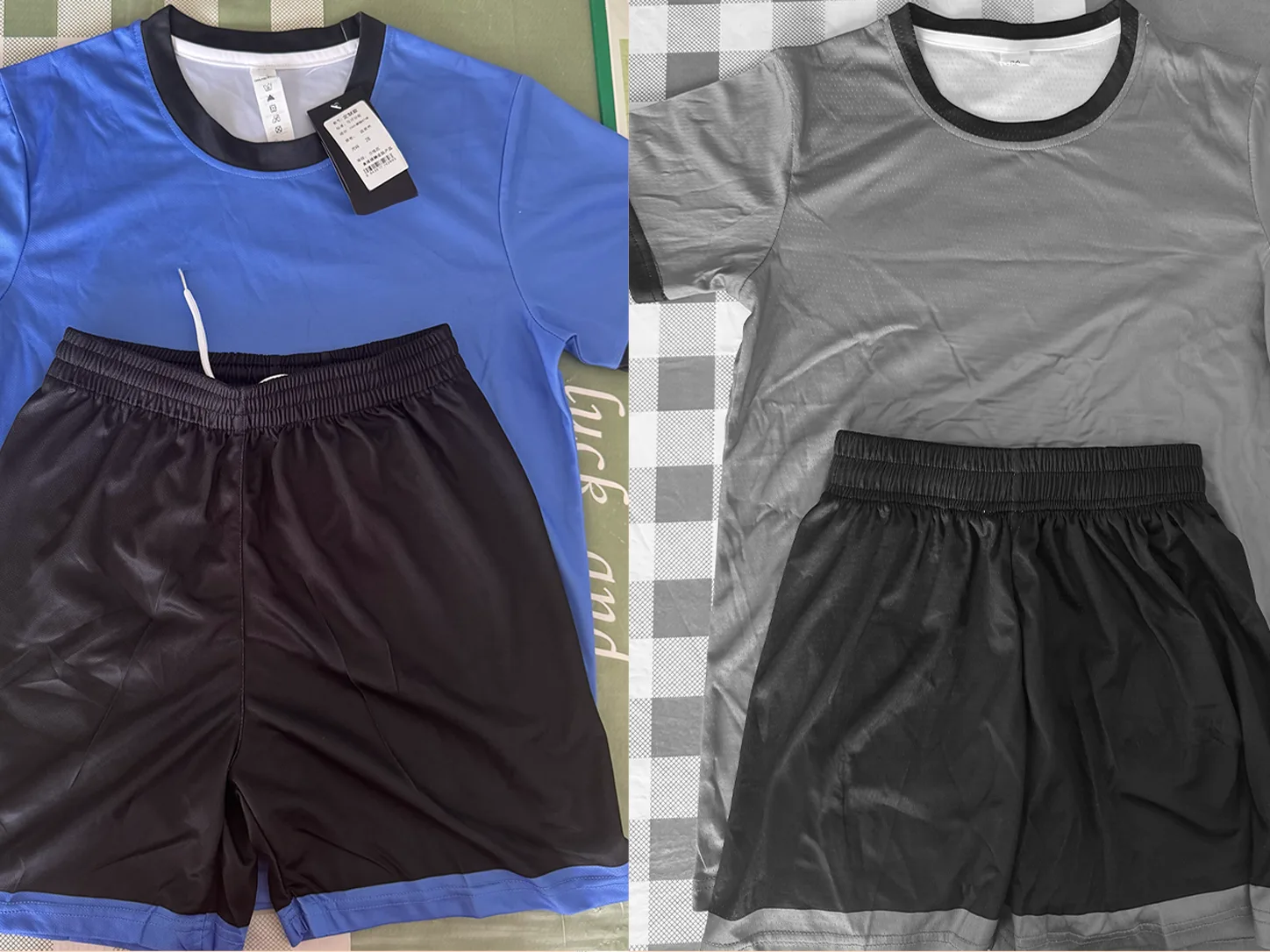
Two quotes arrive for the same custom jersey, one 18% lower. On paper they match. Pressed to confirm the details, the cheaper factory specifies 130gsm fabric instead of 150gsm, stock colors instead of dyed-to-match and EX Works terms. The “saving” was a different garment with the export costs moved back onto the brand and nothing in the original quotation was designed to show it.
Before you accept a quote
Before accepting any quote, be clear about which elements of your product cannot flex and honest about who on your side can verify that every supplier priced exactly those elements. If nobody within reach of the factory can answer that, the lowest number on the spreadsheet is not a saving. It is an unanswered question.