

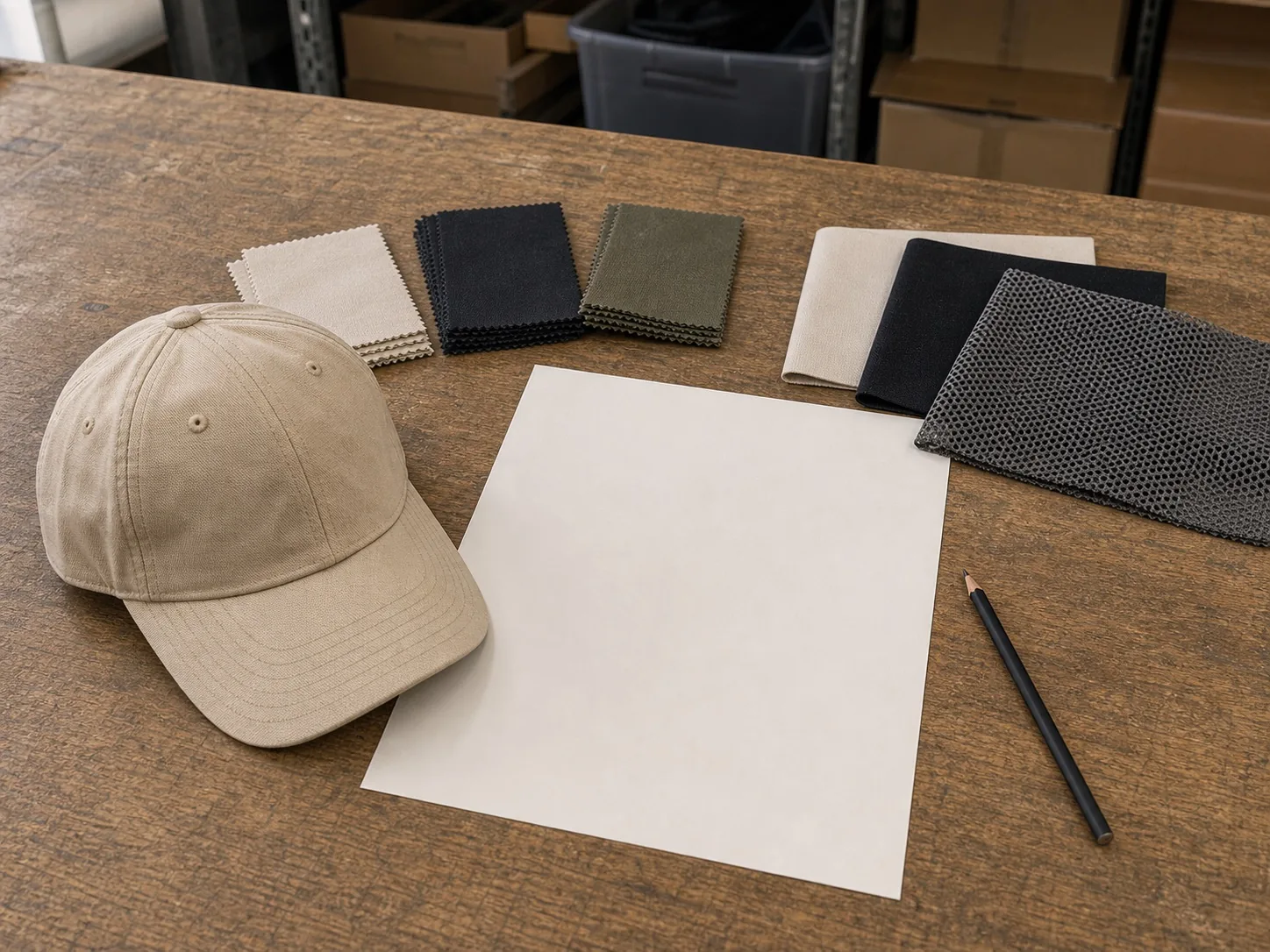
Vague briefs produce quotes that cannot be compared
Ask three factories for “a quality hoodie, around 350gsm” and you will receive three different products: different fabric compositions, different constructions, different packing assumptions. The spread in prices tells you nothing, because nothing comparable was priced.
Quantity honesty matters more than founders expect. Factories quote in tiers. Inflating your volume to win attention produces a price you will not get at your real quantity: discovered at purchase-order time, when re-sourcing costs you the calendar.
One page is enough, if it is the right page
A working brief is not a tech pack. One page does it: a reference product (a competitor garment, a sample you own), target landed cost rather than just unit price, the honest first-order quantity, the two or three non-negotiables and the destination market, which silently sets labeling and compliance requirements. The difficulty is not listing these things. It is writing them so that a pattern maker in Panyu reads them the way your designer meant them, which makes a brief a translation problem before it is a sourcing one.
Naming what can flex is as useful as naming what cannot. A factory that knows price is fixed but timing is soft (or the reverse) can propose real options instead of guessing which compromise you would accept.
Signs the brief is not doing its job
- Quotes are coming back with wildly different prices and no way to tell why.
- Suppliers keep asking questions your team answers differently each time.
- The brief exists in your head and in scattered messages, but not on one page.
- You are quoting a quantity you do not actually intend to order.
What belongs on the page
- What reference product best communicates the standard you have in mind?
- What is the target landed cost and does it survive duties and freight for your market?
- Which three details are non-negotiable and which dimensions can flex?
- What does your destination market require on labels, fiber content or safety marks?
We translate intent into something a factory can price
We help brands turn an idea into a brief that produces comparable quotes: the right reference points, the right level of detail, quantities framed honestly, compliance flagged before it becomes a redesign.
It stays your product. Our role is making sure the suppliers most capable of building it understand what is actually being asked: the first time, in their language.
Weeks saved before sampling starts
Better briefs shorten sourcing by weeks, because the first round of quotes is already meaningful and the sample stage starts from intention rather than guesswork.
They also filter suppliers. The factories that engage precisely with a precise brief are usually the ones worth working with.
A gym bag quoted from $4.20 to $11.80
A brand sourcing a gym bag “like the big brands” got round-one prices from $4.20 to $11.80, which told them nothing. Re-briefed with a reference bag, a 600D fabric specification, the honest 300-unit first order and Canadian bilingual labeling named upfront, the next round landed in a comparable band and one factory proposed a better closure at the same price.
Write the page before the next supplier message
Before contacting another supplier, put the brief on one page: reference, landed cost target, honest quantity, non-negotiables, destination. Every gap you leave will be filled by someone else's assumption.